Shipping from India to Africa: The Logistics Guide for Emerging Market Exporters
The trade bridge between India and Africa is undergoing a massive transformation in 2026. As African nations consolidate under the African Continental Free Trade Area (AfCFTA) and India strengthens its "Make in India" exports, the demand for a reliable India to Africa freight service has never been higher. For Indian exporters, this corridor represents a land of immense opportunity, provided they can navigate the complexities of across-the-ocean logistics. Understanding the African Logistics L
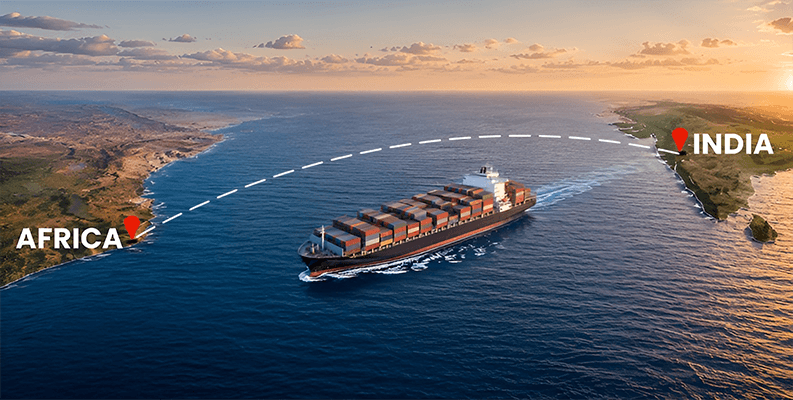
The trade bridge between India and Africa is undergoing a massive transformation in 2026. As African nations consolidate under the African Continental Free Trade Area (AfCFTA) and India strengthens its "Make in India" exports, the demand for a reliable India to Africa freight service has never been higher. For Indian exporters, this corridor represents a land of immense opportunity, provided they can navigate the complexities of across-the-ocean logistics.
Understanding the African Logistics Landscape
Africa is not a monolith; it is a diverse continent with 54 nations, each with unique customs regulations and infrastructure levels. Successfully reaching these markets requires more than just port-to-port shipping; it requires an end to end logistics service that bridges the gap between Indian manufacturing hubs and African consumer markets.
Key Shipping Routes & Hubs
Logistics generally focus on three primary gateways:
- East Africa (Mombasa, Dar es Salaam): The closest ports to India, serving as gateways for landlocked countries like Uganda and Rwanda.
- West Africa (Lagos, Tema, Abidjan): High-demand markets but often characterized by longer transit times and more complex customs procedures.
- Southern Africa (Durban, Cape Town): Highly developed infrastructure providing access to the entire SADC (Southern African Development Community) region.
The Role of a Strategic Freight Forwarder in India
Navigating the emerging African markets involves high stakes. This is where partnering with an experienced freight forwarder in india becomes a competitive advantage. A specialized forwarder doesn’t just book space on a vessel; they provide the local expertise needed to handle:
- Customs Compliance: Ensuring all Pre-Export Verification of Conformity (PVoC) and Standards Organization of Nigeria (SONCAP) certifications are in place to avoid costly port delays.
- Multimodal Integration: Seamlessly moving cargo from Indian factories via rail or road to the port, and then handling the "last-mile" delivery within Africa.
- Risk Management: Advising on cargo insurance and secure routing to mitigate the risks associated with developing infrastructure.
Transit Expectations: 2026 Outlook
While shipping to East Africa can take as little as 12 to 18 days, reaching West African ports may take 35 to 45 days due to the geography of the Cape route. Exporters must plan their inventory cycles accordingly to maintain a consistent market presence.
For the modern Indian exporter, Africa is the next frontier. Success in this region depends on moving away from fragmented shipping and moving toward an end to end logistics service that simplifies the journey. By choosing a freight forwarder in india with a dedicated India to Africa freight service network, you ensure that your products don't just reach the coast, but actually reach the hands of your customers safely and efficiently.