Shipping from India to Europe: The Definitive Sea Freight Guide 2026
The trade corridor between India and Europe is more vital than ever in 2026, requiring businesses to move beyond basic shipping to a strategic, data-driven approach. Navigating this route successfully depends on choosing the right sea freight forwarder and implementing end-to-end logistics solutions that balance cost with predictability. 1. The 2026 Maritime Landscape: Why Sea Freight? While air cargo offers speed, sea freight remains the backbone of India-Europe trade for its sustainability
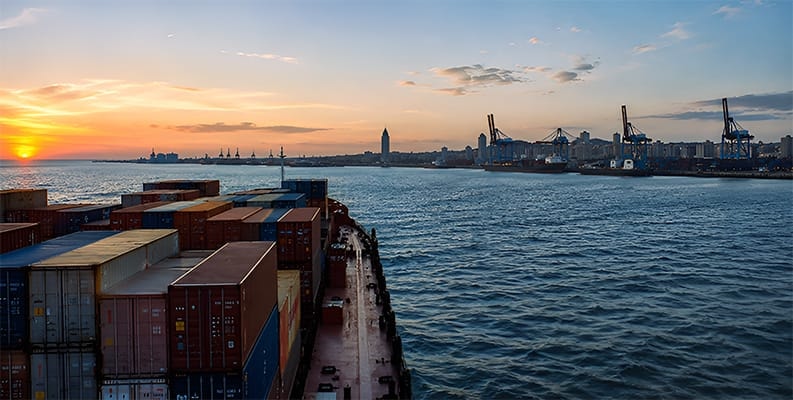
The trade corridor between India and Europe is more vital than ever in 2026, requiring businesses to move beyond basic shipping to a strategic, data-driven approach. Navigating this route successfully depends on choosing the right sea freight forwarder and implementing end-to-end logistics solutions that balance cost with predictability.
1. The 2026 Maritime Landscape: Why Sea Freight?
While air cargo offers speed, sea freight remains the backbone of India-Europe trade for its sustainability and cost-effectiveness, especially for B2B sectors like automotive parts and textiles. In 2026, "Green Shipping" corridors and digital port integrations have streamlined operations, yet a customized logistics solution remains a mechanical necessity for navigating modern port congestion.
2. Key Shipping Routes and Transit Times
In 2026, transit times are influenced by Suez Canal stability and "Slow Steaming" practices designed to reduce carbon emissions.

Strategic Query: What is the most cost-effective port for European entry? While Rotterdam is the largest, Mediterranean ports like Genoa often offer shorter transit times for cargo originating from Western India, potentially lowering inland haulage costs if your final destination is Southern or Central Europe.
3. Implementing a Customized Logistics Solution
A "one-size-fits-all" approach leads to hidden costs. Your strategy should be tailored to your specific cargo DNA:
- Full Container Load (FCL): Best for large shipments, offering better security and faster port handling.
- Less than Container Load (LCL): Ideal for SMEs or trial shipments; you share container space and only pay for the volume used.
- Temperature-Controlled Shipping: Essential for India’s pharmaceutical and perishable exports, integrated with real-time IoT tracking.
4. Navigating Customs Clearance Solutions
Paperwork remains the primary bottleneck in the India-Europe corridor. With Europe’s Import Control System 2 (ICS2) and carbon reporting (CBAM) fully active in 2026, expert customs clearance solutions are critical.
- HS Code Accuracy: Ensures precise duty rates and avoids heavy fines.
- Rules of Origin: Allows businesses to leverage trade agreements for preferential tariff treatments.
- Digital Documentation: Using e-Bill of Ladings speeds up the release of goods at European terminals.
5. Final Strategic Checklist for 2026 Shipments
To ensure seamless logistics operations, every exporter should verify these points before booking:
- Incoterms Compliance: Confirm exactly where risk transfers between you and your European buyer.
- Container Quality: Match the container grade (food vs. industrial) to your specific cargo requirements.
- Carbon Reporting: Ensure your documentation includes all necessary data for Europe’s new green standards.
Buffer Time: Always account for a 3–5 day buffer for potential port or customs delays.
Shipping from India to Europe in 2026 is an exercise in precision. By integrating customized logistics solutions with robust customs clearance solutions, businesses can transform their supply chain into a competitive advantage, ensuring goods arrive predictably and sustainably.